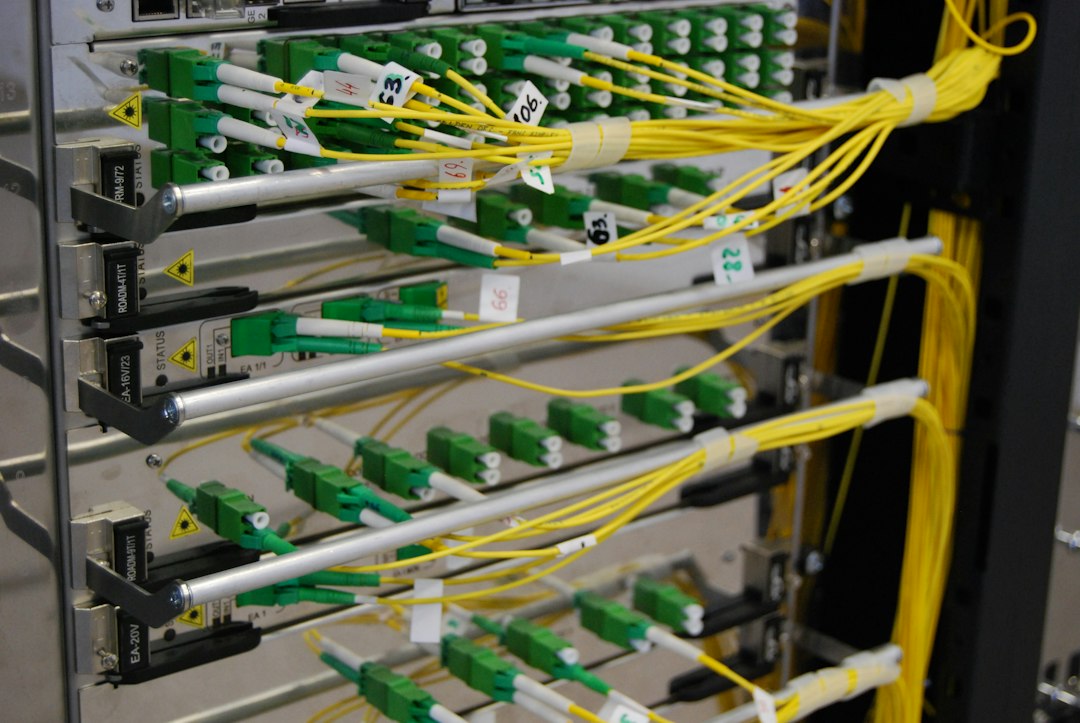
For many software companies, the rapid expansion of AI has necessitated a massive increase in compute power. However, as Fortune recently reported, local opposition to the physical footprint of data centers is mounting, with 70% of younger adults opposing new facilities in their areas due to concerns over electricity grid strain, water usage, and land competition. This shift in public sentiment forces business leaders to reconsider whether they should build their own AI infrastructure or rely on third-party cloud providers.
The Rising Risk of Owning AI Infrastructure
The traditional approach for high-scale enterprise AI has been to manage proprietary data centers or heavily customized on-premise hardware. While this offers total control, it now carries significant external risks. From the regulatory pressure mentioned in the Fortune report—where states like New York and Texas are implementing moratoriums or stricter environmental permits—to the potential for community pushback, the "build" model is becoming increasingly complex. Companies that own their data centers are now directly in the crosshairs of energy price volatility and grid-capacity limitations, which may ultimately pass onto the business as higher operational costs.
Factors to Consider in the Build vs. Buy Decision
Deciding between maintaining your own infrastructure and moving to a cloud-native model requires balancing performance needs against the societal and operational pressures of modern AI scaling.
1. Total Cost of Ownership (TCO)
Building your own infrastructure involves high upfront capital expenditure (CapEx) and long-term energy costs. As wholesale electricity prices fluctuate due to local grid strain, fixed-cost models become harder to predict. Buying cloud services shifts this to operating expenditure (OpEx), allowing you to pay for the compute you actually consume.
2. Regulatory and Compliance Exposure
If you operate your own hardware, you are responsible for local permitting, environmental impact studies, and water usage regulations. These are becoming more stringent, as seen in the recent policy reversals by governors in Pennsylvania and Texas. Relying on established cloud vendors often offloads the burden of regional regulatory compliance to the provider.
3. Operational Scalability
AI workloads are notoriously bursty. Buying cloud capacity allows for auto-scaling that matches real-time demand. Building your own requires over-provisioning to handle peak times, which leads to idle, energy-inefficient hardware—a growing liability as public scrutiny on energy consumption intensifies.
4. Focus on Core Business Logic
For most SaaS companies, managing the physical infrastructure of a data center is not a core competency. If your team spends more time navigating local zoning laws or managing power grids than writing code, you are likely misallocating resources. Investing in specialized AI business automations often yields a higher ROI than maintaining physical server farms.
Getting Started with a Cloud-First Approach
Moving away from physical infrastructure requires a structured plan to ensure your AI processes remain performant and secure.
Assess Your Current Compute Footprint
Audit your current usage to identify which workloads are "heavy" and which can be offloaded to managed AI services. Many legacy applications struggle with this transition, often requiring a strategy for modernizing legacy apps to communicate effectively with cloud-native AI endpoints.
Evaluate Vendor Sustainability Metrics
When selecting a cloud provider, prioritize those with transparent energy and water-usage reports. As public opinion turns, having a cloud partner that proactively manages its environmental impact helps insulate your own brand from local backlash.
Implement Modular AI Architecture
Avoid vendor lock-in by abstracting your AI logic. Use containerization and API-first designs so you can switch providers or move between hybrid-cloud environments without re-architecting your entire codebase. If you need help structuring this, talk to our custom software development team to ensure your underlying architecture is built for flexibility.
For the original reporting, read Fortune's article.
Frequently Asked Questions
Does moving to the cloud actually reduce environmental impact?
Generally, yes. Major cloud providers achieve economies of scale and energy efficiency that are nearly impossible for individual companies to replicate in private data centers, effectively reducing the per-compute carbon and water footprint.
Will my application performance suffer if I migrate from on-premise?
Not necessarily. With modern high-speed cloud interconnects, latency issues are often mitigated by better distribution of regional availability zones. The key is in the architectural planning during the transition phase.
The decision to build or buy AI infrastructure is no longer just a financial calculation; it is a strategic move in an increasingly environmentally conscious market. At Skyfall Labs, we help companies navigate this transition by modernizing legacy systems and integrating sophisticated AI automations that thrive in a cloud-first environment. If you are ready to future-proof your infrastructure, reach out to our team to discuss your roadmap.